Recycling Machinery
for Efficient
Metal Processing
The portfolio covers the essential stages of modern scrap preparation: opening and shredding bulky material, cutting oversized steel structures, compacting loose scrap and briquetting metal chips. From individual machines to fully integrated processing plants, every solution is designed around the material stream, required throughput and desired output quality.
Whether processing end-of-life vehicles, mixed scrap, demolition material, production waste, electronic scrap, metal turnings or non-ferrous metals, LINDEMANN provides robust machinery for reliable operation, efficient material handling and consistent downstream processing.


Complete Machinery
for Scrap Recycling
No two scrap streams are identical. Material dimensions, density, composition and contamination determine how scrap should be processed before it can be transported, sorted, melted or returned to industrial production.
LINDEMANN offers three coordinated machinery categories:
- Metal shredders and crushers for controlled size reduction and material liberation
- Scrap metal shears for compacting and cutting bulky ferrous scrap
- Metal balers and briquetters for producing dense bales and briquettes
Together, these technologies cover a wide range of recycling requirements—from initial material preparation to furnace-ready or separation-ready output.
Metal Shredders and Crushers
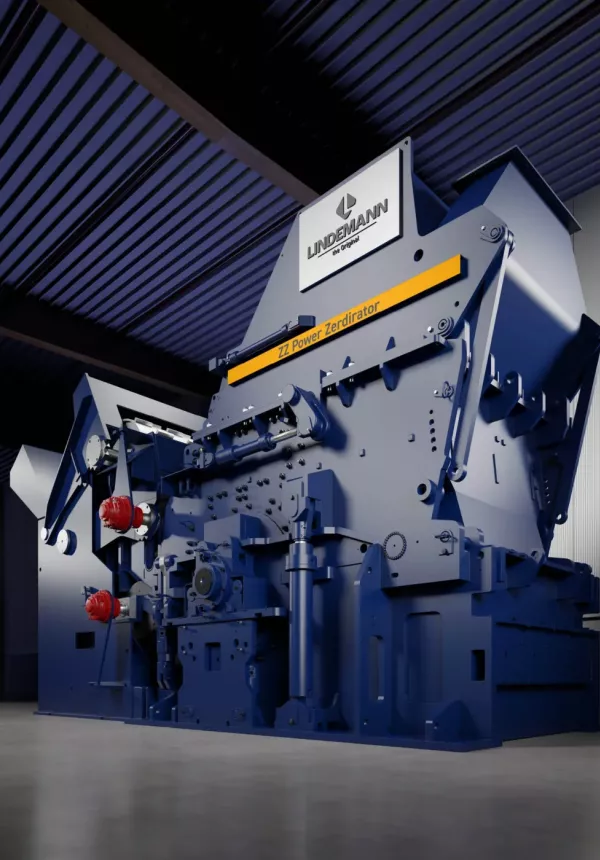
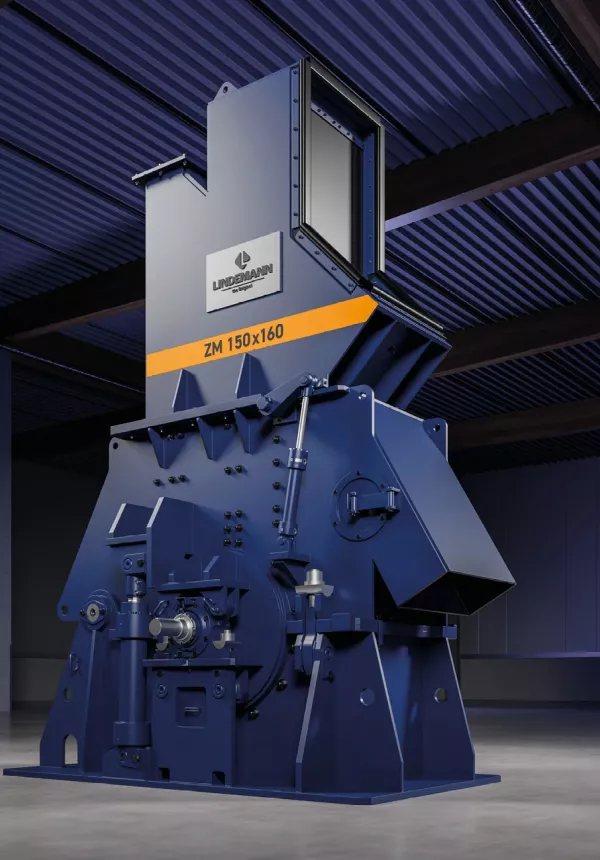
LINDEMANN metal shredders and crushers reduce bulky, heterogeneous or difficult-to-handle material into smaller and more consistent fractions.
The portfolio includes pre-shredders for opening compressed material, heavy-duty shredders for high-volume vehicle and mixed-scrap processing, compact shredders for electronic and small scrap, and specialised crushers for long metal turnings.
Main processing benefits
- Reduced material dimensions and volume
- More homogeneous material flow
- Improved liberation of connected materials
- Better preparation for magnetic and non-ferrous separation
- Reduced transport and storage requirements
- Controlled output through rotor, grate and feeding configurations
- Protection against non-shreddable objects
- Integration into complete recovery and sorting plants
Typical materials
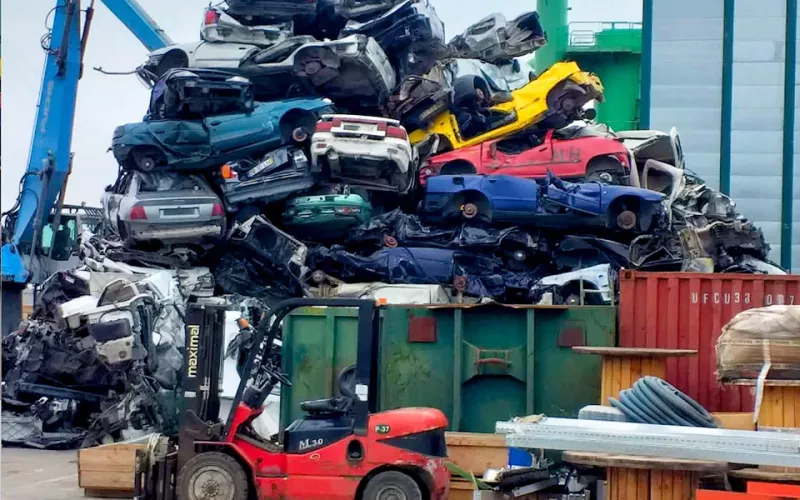
- End-of-life vehicles and car bodies
- Compressed vehicle packages
- Scrap metal bales
- Light and heavy mixed scrap
- Sheet metal and profiles
- Household appliances and white goods
- Aluminium and steel scrap
- Production waste
- Electronic scrap
- Engines and incinerator residues
- Long, curly and tangled metal turnings
Scrap Metal Shears
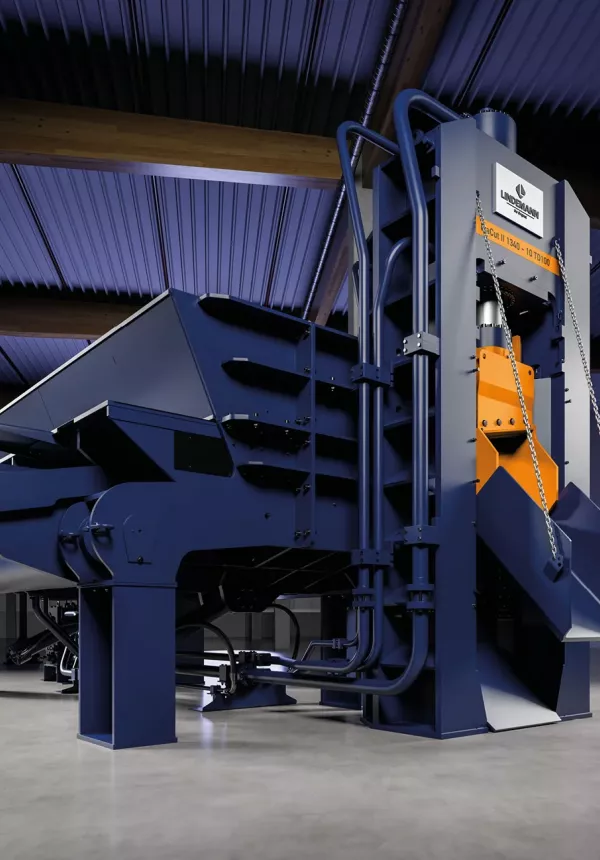
LINDEMANN scrap metal shears combine powerful compaction with controlled hydraulic cutting.
Before cutting, bulky material is compressed using press lids, side compactors or press wings. The compacted scrap is then pushed towards the cutting head and separated into manageable lengths using high-force guillotine blades.
The range includes stationary heavy-duty shears for continuous high-volume processing, flexible wing shears and a fully mobile crawler-mounted solution.
Main processing benefits
- Consistent scrap dimensions
- Increased material density
- Improved transport and storage efficiency
- Controlled preparation for furnace charging
- Reduced downstream wear through uniform output
- Automated cutting cycles
- Stationary and mobile processing concepts
- Production of dense scrap logs on selected machines
Typical materials
- Light and medium-heavy mixed scrap
- Heavy scrap
- Demolition material
- Steel structures
- Pipes, profiles and bars
- Sheet metal
- Production waste
- End-of-life vehicles
- Bulky and oversized metal components
Metal Balers and Briquetters
Main processing benefits
- Considerable reduction in material volume
- Improved payload utilisation
- Lower storage-space requirements
- Cleaner and more organised material handling
- Uniform output for downstream processing
- Improved furnace charging
- Recovery of cutting fluids during briquetting
- Reduced cutting-fluid consumption and disposal requirements
- Continuous and automated compression cycles
Typical materials
- Ferrous and non-ferrous scrap
- Sheet metal
- Punching waste
- Steel profiles
- Production scrap
- Mixed metal scrap
- Aluminium, copper and brass scrap
- Steel and aluminium chips
- Metal swarf
- Machining residues
- Grinding sludge
Recycling Machinery
for Different Industries and Material Streams
Integrated Metal Recyclers and Scrap Processors
Large recycling companies process diverse ferrous and non-ferrous material streams across individual or multiple locations. They require powerful shredders, shears and balers that can operate as part of a coordinated processing chain. LINDEMANN solutions support high-volume processing, consistent output quality and high machine availability—from initial size reduction to transport-ready or furnace-ready material.
High-Throughput Shredder Operations and Recycling Terminals
Large shredder plants and international recycling terminals depend on throughput, operational reliability and predictable maintenance. Heavy-duty shredders, scrap shears, intelligent drive controls and lifecycle services support the continuous processing of large scrap volumes. Modernisation and overhaul projects can also restore existing equipment and extend its economically productive service life.
Steel Producers and Suppliers of Premium Scrap Grades
Steelworks, foundries and their scrap suppliers require material with controlled dimensions, high purity and consistent quality.
LINDEMANN machinery prepares scrap for efficient transportation, sorting and furnace charging. In integrated steel operations, high shredder availability also supports the continuous supply of recycled feedstock to the production process.
End-of-Life Vehicle and WEEE Recycling
End-of-life vehicles and electrical equipment contain complex combinations of metals and other materials. Controlled shredding opens these material combinations and prepares ferrous, non-ferrous and lightweight fractions for downstream separation.
High-capacity shredders and feeding technologies provide stable throughput, improved material quality and consistent conditions for subsequent sorting and recovery.
Aerospace and High-Performance Alloy Recycling
Aerospace production waste contains valuable titanium, nickel and cobalt alloys. Long and tangled turnings must be reduced to homogeneous, manageable pieces before briquetting and remelting.
Specialised turnings crushers preserve material value, simplify storage and logistics and prepare high-performance alloys for efficient return to the production cycle.